Source Anti Pilling Rotor Spinning Lyocell Yarn for Garments, Home Textiles, and Sportswear
Find and compare 30 listings for anti pilling rotor spinning lyocell yarn suitable for garment, home textile, and sportswear applications. Evaluate options based on features like anti-static, abrasion resistance, and soft hygroscopic properties from Chinese manufacturers.
Key considerations
Products List


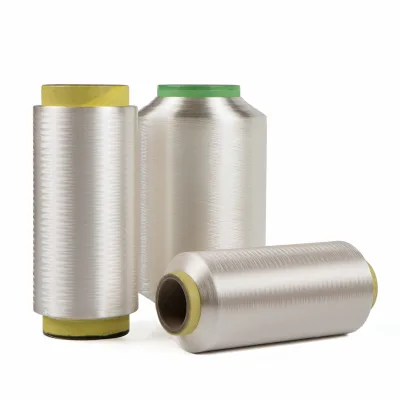


Comprehensive Sourcing Guide
Anti Pilling Rotor Spinning Lyocell Yarn Sourcing Guide
Sourcing high-performance textile yarns requires a precise understanding of fiber composition, spinning technology, and end-use application. The intersection of Lyocell fiber properties with rotor spinning techniques offers a unique value proposition for buyers seeking sustainable yet durable materials. Lyocell, a type of man-made cellulose fiber, is renowned for its softness, hygroscopic nature, and environmental credentials. When processed into yarn, it provides excellent moisture absorption and a natural drape, making it ideal for garments that require comfort and breathability. However, the specific requirement for "anti-pilling" performance adds a layer of complexity, as cellulose fibers can be prone to surface fuzzing and pilling during wear and washing. Buyers must therefore evaluate how the spinning method and post-treatment processes mitigate these tendencies while maintaining the fiber’s inherent benefits.
Rotor spinning, also known as open-end spinning, is a high-speed method that produces yarn with a distinct structure compared to ring-spun yarns. This technique is often favored for its efficiency and cost-effectiveness in producing medium to coarse counts, though it can also handle finer counts with specific adjustments. The resulting yarn typically has a softer hand feel and higher bulk, which can enhance the comfort of the final textile. For Lyocell, rotor spinning can help encapsulate fiber ends, potentially reducing surface fuzzing and contributing to anti-pilling characteristics. However, the trade-off often involves slightly lower tensile strength and uniformity compared to ring-spun alternatives. Procurement teams must balance these technical attributes against production speed and cost targets, ensuring that the chosen yarn meets both the aesthetic and functional requirements of the end product.
Product Scope and Observed Listing Signals
The market for Lyocell yarns presents a diverse range of specifications, with observed listings indicating a price range of $0.8 to $16 per unit and minimum order quantities (MOQs) varying from 1 to 3,000 units. This wide variance suggests that buyers can access both small-batch samples for development and large-scale industrial supplies. The core keyword highlights "anti-pilling" and "rotor spinning," but observed data shows that many suppliers offer Lyocell yarns with features such as anti-static, abrasion-resistant, and soft/hygroscopic properties. These attributes are critical for applications in garments, home textiles, denim, t-shirts, underwear, and sportswear. Buyers should note that while "anti-pilling" is a key search term, the actual performance depends on the yarn count, twist level, and blending ratios, which are not always explicitly detailed in basic listing summaries.
Further analysis of listing signals reveals that Lyocell yarns are available in various counts, including OE 10S, 13S, 21S, 30S, 40S, and 45S, indicating versatility across different fabric weights and textures. The material is primarily identified as cellulose-based, with some listings specifying "100% Polyester" or "Other" materials, which may indicate blended yarns or mislabeled products requiring verification. The origin of these products is predominantly China, with specific mentions of Fujian and Shandong provinces, which are known textile manufacturing hubs. Buyers should be cautious of generic descriptions and verify the exact fiber composition, as blends with synthetic fibers can significantly alter the anti-pilling performance and environmental profile of the final fabric. The presence of "Raw" pattern and "White" color options suggests that dyeing and finishing are often handled downstream, offering flexibility for custom color requirements.
Technical Specifications to Verify
When evaluating Lyocell yarns for anti-pilling performance, the yarn count and twist multiplier are critical technical parameters. Observed standards include Lyocell OE counts ranging from 10S to 45S, with some listings mentioning specific model numbers like 80-120 or CSH04. Higher counts (finer yarns) generally require higher twist levels to maintain strength and reduce pilling, but excessive twist can lead to yarn stiffness. Buyers should verify the twist direction and density, as these factors influence the yarn’s ability to resist surface fuzzing. Additionally, the fiber length is a key differentiator; some listings specify "Continuous Filament" while others mention "Staple Fiber Yarn." For rotor-spun Lyocell, staple fiber length affects the yarn’s uniformity and strength, with longer fibers typically contributing to better pilling resistance.
The structural integrity of the yarn, including its evenness and strength, must also be rigorously assessed. Observed attributes highlight "Evenness" and "Normal" strength as common characteristics, but these are subjective terms that require objective testing. Buyers should request data on CV% (coefficient of variation) for mass per unit length and hairiness index, as these metrics directly correlate with pilling potential. Furthermore, the distinction between "Ring Spun" and "Rotor Spun" techniques is vital; while the core keyword specifies rotor spinning, some listings mention ring-spun techniques, which produce stronger, smoother yarns but at a higher cost. Clarifying the spinning method and verifying the resulting yarn structure, such as multifilament or single-ply configurations, ensures that the selected yarn aligns with the intended knitting or weaving process and end-use durability requirements.
Compliance and Safety Documentation
Sustainability is a core value proposition for Lyocell products, and buyers must verify the environmental credentials of the supplied yarn. Although specific certifications like FSC, OEKO-TEX, and GOTS are mentioned in background data, their applicability to every listing is not guaranteed. Buyers should request valid certification documents to confirm that the Lyocell fiber is sourced from responsibly managed forests and processed without harmful chemicals. The "Degradable" grade mentioned in some listings supports the eco-friendly narrative, but this claim should be backed by standardized biodegradability test results. Ensuring compliance with international safety standards is essential, particularly for garments in direct contact with skin, such as underwear and t-shirts, where chemical residues from dyeing or finishing could pose health risks.
In addition to environmental compliance, safety documentation should include information on the yarn’s chemical composition and any treatment processes applied to enhance anti-pilling properties. Some listings mention "Anti-Bacteria" and "Eco-Friendly" features, which may involve chemical finishes that require disclosure. Buyers should verify that these treatments do not compromise the fiber’s natural properties or introduce hazardous substances. It is also important to confirm that the supplier adheres to labor and ethical standards, given the concentration of production in specific Chinese provinces. Requesting audit reports or compliance certificates from recognized bodies can mitigate reputational and legal risks associated with the supply chain. Transparent documentation not only ensures regulatory compliance but also strengthens the brand’s commitment to sustainability and ethical sourcing.
Cost Drivers and Commercial Terms
The cost of Lyocell yarn is influenced by several factors, including fiber origin, spinning technology, yarn count, and order volume. The observed price range of $0.8 to $16 reflects significant variation based on these parameters. Finer counts and specialized anti-pilling treatments typically command higher prices due to increased processing complexity and quality control requirements. Buyers should analyze the cost structure in relation to the MOQ, as larger orders often benefit from economies of scale, reducing the per-unit cost. However, very low MOQs may incur premium pricing for small-batch production. Understanding these dynamics allows procurement teams to negotiate effectively and align costs with budget constraints without compromising on quality.
Commercial terms, including payment methods, lead times, and packaging specifications, also impact the total cost of ownership. Observed data indicates packaging sizes of 20x20x10 cm and gross weights of 1.000 kg per single package, which are useful for calculating logistics costs. Buyers should clarify whether the quoted price includes shipping, insurance, and customs duties, as these can significantly affect the final landed cost. Additionally, lead times can vary based on production capacity and order complexity; while specific lead times are not provided, buyers should establish clear timelines to avoid production delays. Customization options, such as specific colors or blends, may incur additional charges and extend lead times. Transparent communication regarding these terms helps prevent unexpected costs and ensures smooth supply chain operations.
Supplier Qualification and Quality Control
Selecting a reliable supplier for Lyocell yarn requires a thorough evaluation of their manufacturing capabilities and quality assurance processes. Buyers should verify the supplier’s production facilities, focusing on their spinning technology and capacity for rotor spinning. Given the concentration of suppliers in China, particularly in Fujian and Shandong, buyers may consider visiting facilities or conducting third-party audits to assess operational standards. The presence of "Customization" options suggests flexibility, but buyers must ensure that the supplier has the technical expertise to meet specific anti-pilling and performance requirements. Requesting samples for testing is a critical step to validate the yarn’s physical properties, including strength, evenness, and pilling resistance, before committing to large orders.
Quality control measures should be clearly defined and agreed upon with the supplier. This includes establishing acceptance criteria for yarn defects, such as slubs, thick/thin places, and hairiness. Buyers should specify the testing methods to be used, such as ASTM or ISO standards, to ensure consistency in evaluation. Regular inspections during production and pre-shipment checks can help identify and rectify issues early in the process. Additionally, suppliers should provide detailed product specifications and test reports for each batch, ensuring traceability and accountability. Building a strong relationship with the supplier through clear communication and mutual expectations fosters long-term collaboration and reduces the risk of quality-related disruptions.
Long-Term Procurement Checks
Sourcing Lyocell yarn is not a one-time transaction but an ongoing process that requires continuous monitoring and evaluation. Buyers should establish key performance indicators (KPIs) to track supplier performance, including on-time delivery, quality consistency, and responsiveness to issues. Regular reviews of these metrics help identify trends and areas for improvement, allowing for proactive management of the supply chain. As market conditions and consumer preferences evolve, buyers must stay informed about advancements in Lyocell technology and spinning techniques that could offer better performance or cost efficiencies. Engaging with industry networks and attending trade shows can provide insights into emerging trends and new supplier capabilities.
Furthermore, buyers should periodically reassess their sustainability goals and compliance requirements to ensure alignment with supplier practices. The textile industry is increasingly focused on circular economy principles, and suppliers may adopt new technologies to enhance recyclability and reduce environmental impact. Maintaining open dialogue with suppliers about these developments can lead to collaborative innovation and improved product offerings. By implementing robust long-term procurement checks, buyers can mitigate risks, optimize costs, and secure a reliable supply of high-quality Lyocell yarn that meets their evolving business needs. This strategic approach ensures that the sourcing process remains agile, resilient, and aligned with both commercial and ethical objectives.
FAQs
What are the main features of anti pilling rotor spinning lyocell yarn?
The yarn features anti-pilling, anti-static, and abrasion-resistant properties alongside being soft and hygroscopic. It is available in grades that are degradable and suitable for garment, home textile, and sportswear applications.
Which specifications are available for this lyocell yarn product?
Available specifications include Lyocell OE 13S, OE 21S, OE 30S, OE 40S, OE 45S, and OE 10S standards. The model number ranges from 80 to 120, and the yarn count can be 40F or 60F depending on the specific variant.
Can I find anti pilling rotor spinning lyocell yarn with custom packaging?
Yes, customization is available for this product line. While standard packing may be neutral cartons, buyers can request specific packaging solutions to meet their logistical or branding requirements for the shipment.
How is the strength and structure of this yarn defined?
The yarn is described as having normal strength and is available in multifilament or staple fiber structures. It is designed for knitting and weaving uses, ensuring durability while maintaining the soft and hygroscopic nature of the cellulose material.
Where is the origin of this anti pilling rotor spinning lyocell yarn?
The product originates from China, with specific locations noted in Fujian and Shandong provinces. This regional sourcing supports the manufacturing of various yarn types including filament and staple fiber options for global distribution.
What is the minimum order quantity for this yarn product?
The observed minimum order quantity ranges from 1 to 3000 units depending on the supplier and specific product configuration. Buyers should verify the exact MOQ with the vendor to ensure it aligns with their procurement volume needs.
Is the anti pilling rotor spinning lyocell yarn suitable for underwear?
Yes, the product is explicitly listed for use in underwear, garments, and sportswear applications. Its soft, hygroscopic, and anti-pilling features make it well-suited for direct skin contact and high-wear textile items.